Design Studio
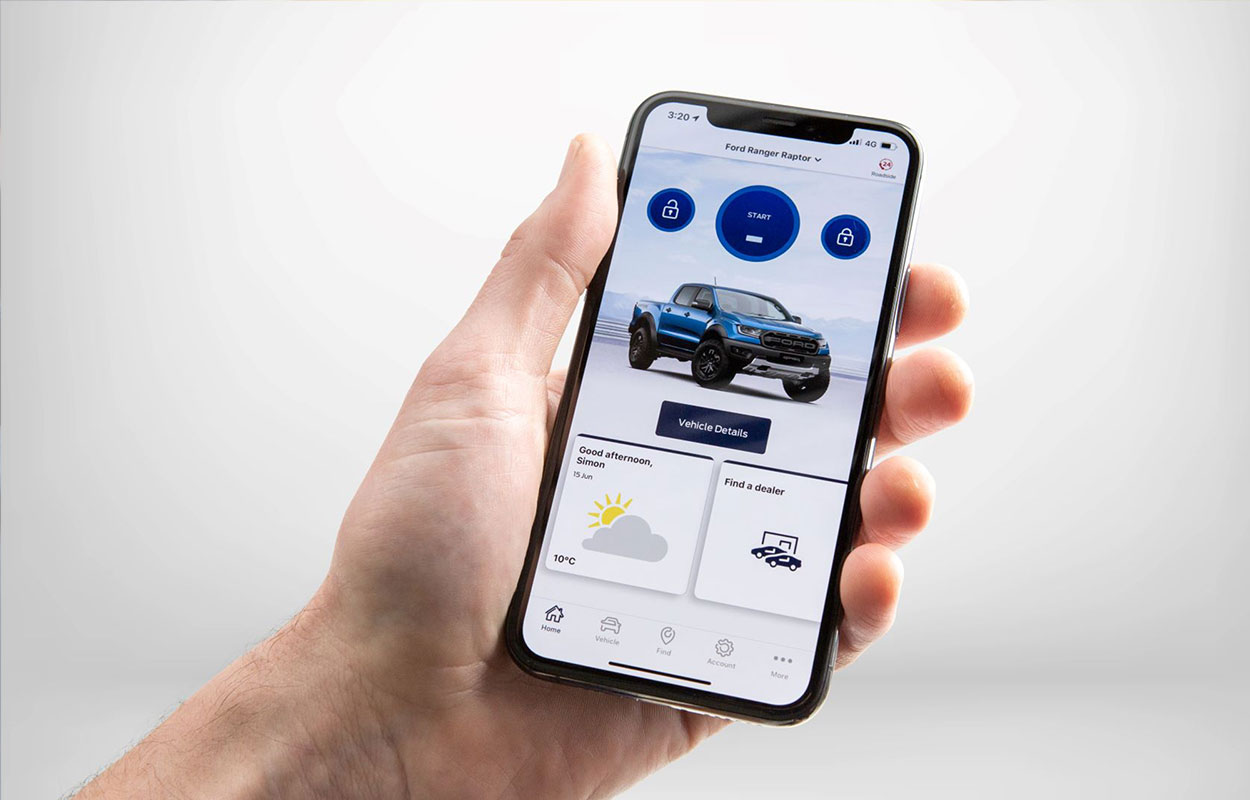
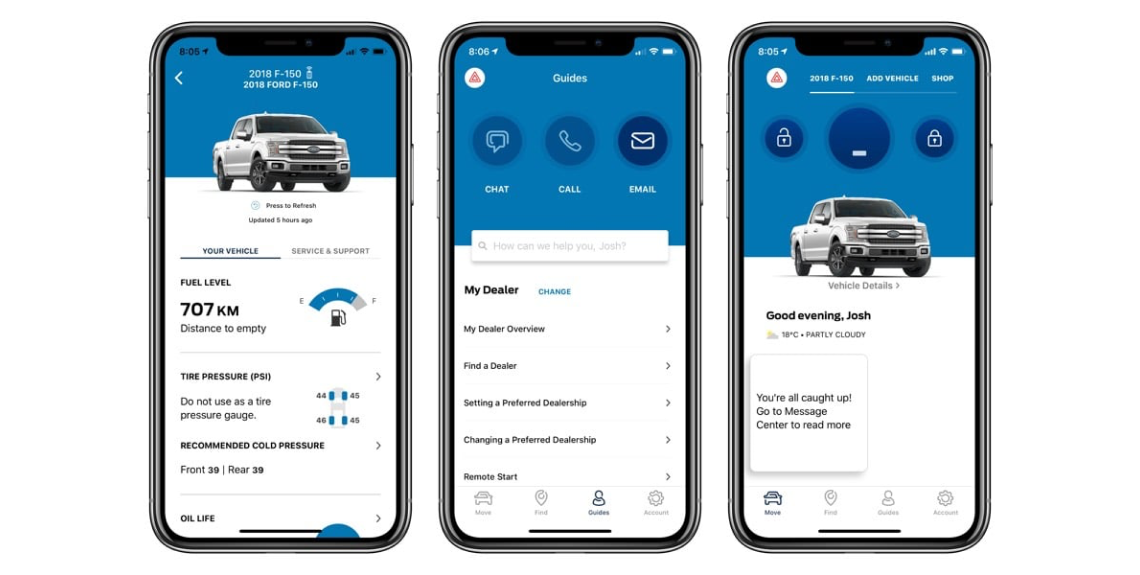
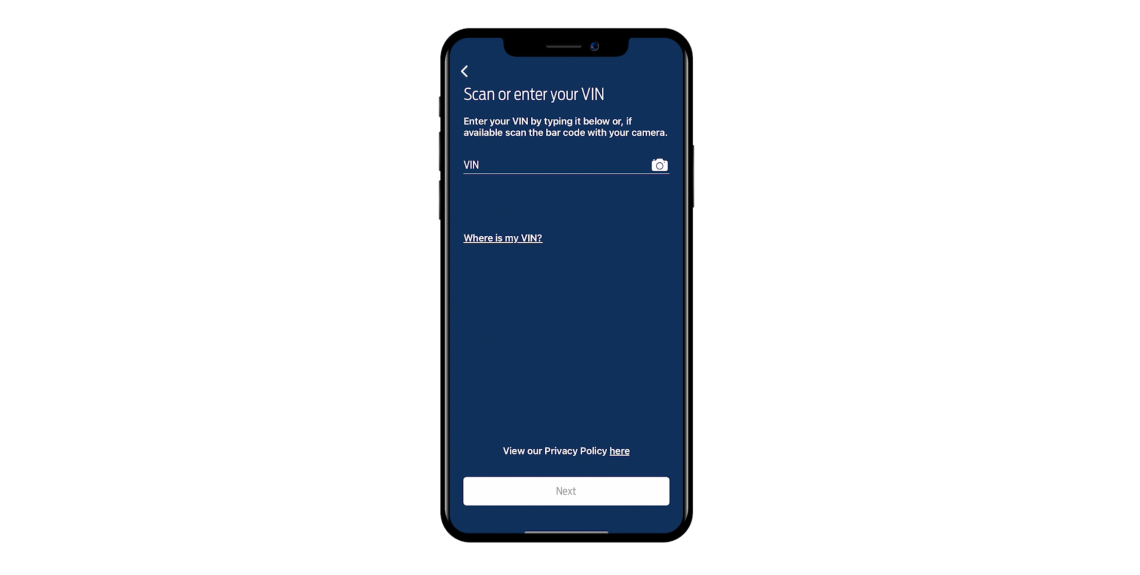
Case Study: Enhancing User Experience of In-Vehicle Data Access in FordPass App
Background: As a UX Designer at Ford working on the FordPass mobile app, my team and I focused on improving the user experience related to accessing in-vehicle data within the app.
Objective: My primary goal was to elevate the interface and usability of accessing in-vehicle data, ensuring a seamless experience for users using the FordPass app.

Approach:

Results:
Conclusion: Through a collaborative and user-centric design approach, our team successfully revamped the in-vehicle data access feature within the FordPass app. This provided Ford vehicle owners with a more efficient and enjoyable way to access their vehicle information. Continuous monitoring and optimization ensured that the feature aligned with user needs, contributing to a more seamless user experience within the FordPass ecosystem.
You can view the demo here:

Case Study: Elevating the In-Vehicle Cockpit Experience for a Leading Semiconductor Manufacturer (AMD)
Background: As a UX designer at Luxoft, I had the privilege to collaborate with a leading semiconductor manufacturer (AMD) specializing in automotive technologies. Our client aimed to revolutionize the in-vehicle cockpit experience by seamlessly integrating cutting-edge design elements while ensuring optimal user satisfaction and engagement.
Challenge: The challenge lay in transforming traditional in-vehicle cockpits into intuitive, user-friendly environments that catered to the evolving needs of modern drivers. Our client sought to align their brand identity and objectives with user-centered design strategies, all while adhering to stringent industry standards.
Approach: Drawing upon Luxoft’s expertise in UX design and automotive technologies, we devised a comprehensive approach to address the client’s requirements:
Outcome: By partnering with Luxoft, the semiconductor manufacturer successfully elevated the in-vehicle cockpit experience, resulting in:
Overall, our collaboration with the semiconductor manufacturer exemplifies the transformative impact of user-centered design in enhancing the in-vehicle cockpit experience and driving innovation within the automotive industry.
You can view the demo here:
I’m a Senior Web Designer and Developer specializing in the senior living home industry. My passion lies in creating digital experiences that cater to the unique needs of elderly residents and their families. I recognize the importance of designing websites that are user-friendly, accessible, and engaging, particularly for older adults. My commitment is to enhance the online presence of senior living homes and make it easier for seniors and their loved ones to explore available services, amenities, and care options.
Challenge: My challenge was to develop a comprehensive website for a senior living facility that not only showcased the services, amenities, and care options but also prioritized the comfort and accessibility of the elderly residents and their families. The existing website was outdated, lacking user-friendliness and inclusivity, which hampered its ability to effectively convey the value of the senior living home.
Solution:
Results: The transformation of the senior living home’s website yielded significant positive outcomes:
My dedication to creating a digital experience that caters to the unique needs of seniors and their families was instrumental in revitalizing the senior living home’s online presence. By incorporating senior-friendly design principles and intuitive navigation, I succeeded in enhancing the online presence of the facility and promoting connectivity, thereby improving the lives of older adults and their loved ones.
I am a multi-faceted consultant with a specialization in UX/UI, Product Design, and Senior Web Design & Development. My role spans a wide spectrum, encompassing the creation of visually stunning and user-friendly interfaces, as well as shaping product strategies that strike a balance between user needs and business objectives. My expertise extends to senior-level web design and development, which equips me to translate concepts into fully functional, responsive digital solutions. The versatility and proficiency I bring to the table have consistently made a significant impact on projects across various domains and industries.
The Challenge: One of the most rewarding projects in my career involved working with a healthcare startup that aimed to revolutionize the patient experience. The challenge was twofold: first, we needed to create a seamless and intuitive healthcare platform that patients of all ages, including seniors, could navigate effortlessly. Second, we had to align the product with the startup’s business goals and ensure it had a competitive edge in the healthcare industry.
The Solution: I began by conducting extensive user research, which included interviews and usability testing with both patients and healthcare providers. This allowed us to identify pain points and needs across different user groups. Leveraging my UX/UI skills, I designed a user-friendly interface with an intuitive navigation system that caters to users of all ages, especially seniors. My product design expertise came into play as I shaped the overall product strategy, making sure it aligned with the startup’s objectives.
In the realm of senior web design and development, I ensured the platform was fully responsive, enabling easy access on various devices, including tablets and smartphones. This was crucial for seniors who often prefer larger screens. My ability to seamlessly integrate web development into the project allowed us to transform design concepts into a functional digital solution, ensuring a smooth user experience from start to finish.
The Impact: The healthcare startup’s platform was met with resounding success. Users, including seniors, found the platform easy to use and navigate, resulting in increased patient engagement and satisfaction. The startup’s business goals were also met, as the improved user experience led to increased adoption and positive word-of-mouth referrals. The project had a notable impact on the healthcare industry by setting a new standard for patient-centered digital platforms.
The Takeaway: This case study underscores the value of a multi-faceted approach to design and development. My comprehensive skill set, combining UX/UI, product design, and senior web design & development, was pivotal in driving this project’s success. It exemplifies my ability to create user-centric solutions that align with business objectives, ultimately making a positive impact in a crucial industry like healthcare.
Realscape Group Inc
I’m a UX/UI Designer working in the Software as a Service (SaaS) sector. My focus is on crafting exceptional user experiences that are both visually appealing and user-centric. I collaborate closely with various teams to ensure that SaaS products are not just feature-rich but also intuitive and efficient. My role is pivotal in enhancing SaaS products to align with user needs and improve usability in the competitive SaaS landscape.
The Challenge: I was particularly proud of a recent design project that aimed to improve educational and employment opportunities for less advantaged students. The challenge was to create an online platform that would bridge the gap and provide these students with a better chance to pursue higher education or secure meaningful employment. This project was close to my heart because it allowed me to combine my passion for design with a commitment to social responsibility.
The Solution: In this project, I led a multidisciplinary team to develop a user-centric online platform. Our platform incorporated several key features, including personalized career guidance, scholarship information, and resources for skills development. To ensure that our design truly met the needs of the less advantaged students, we conducted extensive user research. This research involved interviews and surveys with the target audience, enabling us to gain a deep understanding of their unique challenges and requirements.
The Impact: One of the most fulfilling aspects of this project was seeing the tangible impact it had on the lives of these students. By making educational and job opportunities more accessible, we significantly increased their chances of success. The project not only received positive feedback but also led to increased enrollment in higher education institutions and a higher job placement rate among the less advantaged students. It was heartening to witness these students achieving their goals and breaking barriers.
The Takeaway: This project perfectly embodies the core principles of user-centered design and social responsibility that I am deeply passionate about. It highlights my commitment to creating meaningful, positive change through design and underscores my ability to lead projects that have a lasting impact on the lives of individuals who need it most. It’s a testament to the transformative power of user-centered design when applied to address pressing social issues.
Premier Imports
I interned with the graphic design team and collaborated with two other designers on The Malësia Raki Rrushi Bottle. A Grappa from the Southern Montenegrin Region. Sold over 26 states in the US.

Case Study: Enhancing User Experience of In-Vehicle Data Access in FordPass App
Background: As a UX Designer at Ford working on the FordPass mobile app, my team and I focused on improving the user experience related to accessing in-vehicle data within the app.
Objective: My primary goal was to elevate the interface and usability of accessing in-vehicle data, ensuring a seamless experience for users using the FordPass app.
Approach:
Results:
Conclusion: Through a collaborative and user-centric design approach, our team successfully revamped the in-vehicle data access feature within the FordPass app. This provided Ford vehicle owners with a more efficient and enjoyable way to access their vehicle information. Continuous monitoring and optimization ensured that the feature aligned with user needs, contributing to a more seamless user experience within the FordPass ecosystem.
Extracurricular
I taught myself PostgreSQL database development, merging my appreciation of design aesthetics and fondness of technical problem-solving in a way I hadn’t viewed before.
Educating UX
I oversaw a team of doctoral Students to enhance indigenous language studies through an agile design process, while collaborating with cross-disciplinary groups to conceptualize the future experience.
I had the privilege of leading a talented group of developers, researchers, and data analysts in a challenging project to reimagine the user experience for customers and employees of one of North America’s largest battery and module testing providers. This endeavor was both technically demanding and incredibly fulfilling, offering a unique opportunity to make a significant impact in the specialized field of battery and module testing.
The Challenge: One of the primary challenges in this project was to simplify the interpretation of complex testing data. The goal was to create an intuitive data analysis dashboard that would facilitate quicker and more informed decision-making for customers and internal staff. The battery and module testing industry relies heavily on accurate data, and our task was to make this data accessible and understandable to a wide range of users, regardless of their technical expertise.
The Solution: One standout achievement in this project was the development of an intuitive data analysis dashboard. To achieve this, we integrated user feedback loops throughout the project, which played a pivotal role in ensuring that the final design met users’ specific needs and addressed their pain points. We worked closely with customers and internal teams to understand their workflows and challenges, making continuous refinements based on their input.
The Collaboration: What excited me most about this role was the collaborative aspect. Working with a diverse team allowed us to leverage a wide range of expertise. We combined the technical skills of developers, the research insights of analysts, and the data interpretation abilities of researchers to create a comprehensive and effective redesign. The collaborative environment fostered innovative thinking and resulted in a solution that improved efficiency, reduced errors, and transformed decision-making in the battery and module testing industry.
Impact: The successful implementation of our UX enhancements had a profound impact on the battery and module testing industry. Customers and internal staff could now work more efficiently and make better-informed decisions, leading to increased accuracy and reduced risks. The data analysis dashboard we created became an indispensable tool, and the project as a whole reflected my commitment to leading teams in creating innovative and user-centric solutions that bring about positive change in technically demanding and specialized fields.
This case study underscores the power of collaboration, user-centric design, and the application of technical expertise to create solutions that make a meaningful impact in specialized industries.
During my time at Jehona e Malësisë, I had the unique opportunity to collaborate closely with board members to shape a strategic vision for the organization. Concurrently, I led a team of talented UX and UI designers with the goal of creating a comprehensive design system that would revolutionize the member experiences within the organization.
The Challenge: The challenge was two-fold. First, we needed to define a clear strategic vision that would guide Jehona e Malësisë’s efforts and activities, aligning them with the organization’s mission and objectives. Second, we had to translate this vision into a cohesive and user-centric design system that would enhance the experiences of the organization’s members, ensuring they were well-informed, engaged, and supported in their journey.
The Solution: To address the first challenge, I worked closely with board members to craft a strategic vision for Jehona e Malësisë. This involved extensive discussions, brainstorming sessions, and a thorough analysis of the organization’s goals and the needs of its members. The resulting vision provided a clear roadmap for the organization’s future endeavors.
Simultaneously, I led a team of talented UX and UI designers to tackle the second challenge. We created a comprehensive design system that encompassed various aspects, including the organization’s website, member portal, and communication materials. The design system focused on enhancing the user experience by ensuring consistency, usability, and a visually appealing aesthetic.
Impact: The strategic vision we defined provided a clear sense of direction for Jehona e Malësisë, aligning its activities with its mission and ensuring that the organization could better serve its members. The new design system significantly improved the member experiences. Members found it easier to access information, engage with the organization, and navigate the member portal, ultimately leading to increased member satisfaction and participation.
The Takeaway: This case study highlights the significance of combining strategic vision with user-centric design to create positive change within an organization. Collaborating with board members to shape the strategic direction while leading a team of designers to implement a cohesive design system was instrumental in enhancing the member experiences at Jehona e Malësisë, underscoring my ability to bridge strategic thinking with practical design implementation for tangible, user-centered results.